Premium Excavation Contractor Services for Your Following Infrastructure Project
Choosing the right excavation contractor is crucial for any building endeavor. These experts play an vital role in ground readiness, guaranteeing a solid base and adequate water management. Their knowledge of various soil types and safety protocols can significantly influence successful completion. However, understanding how to choose the top professional involves more than just credentials. The complexities of their offerings and modern techniques warrant additional investigation to secure the best outcomes.
Learning about the Value of an Excavation Contractor
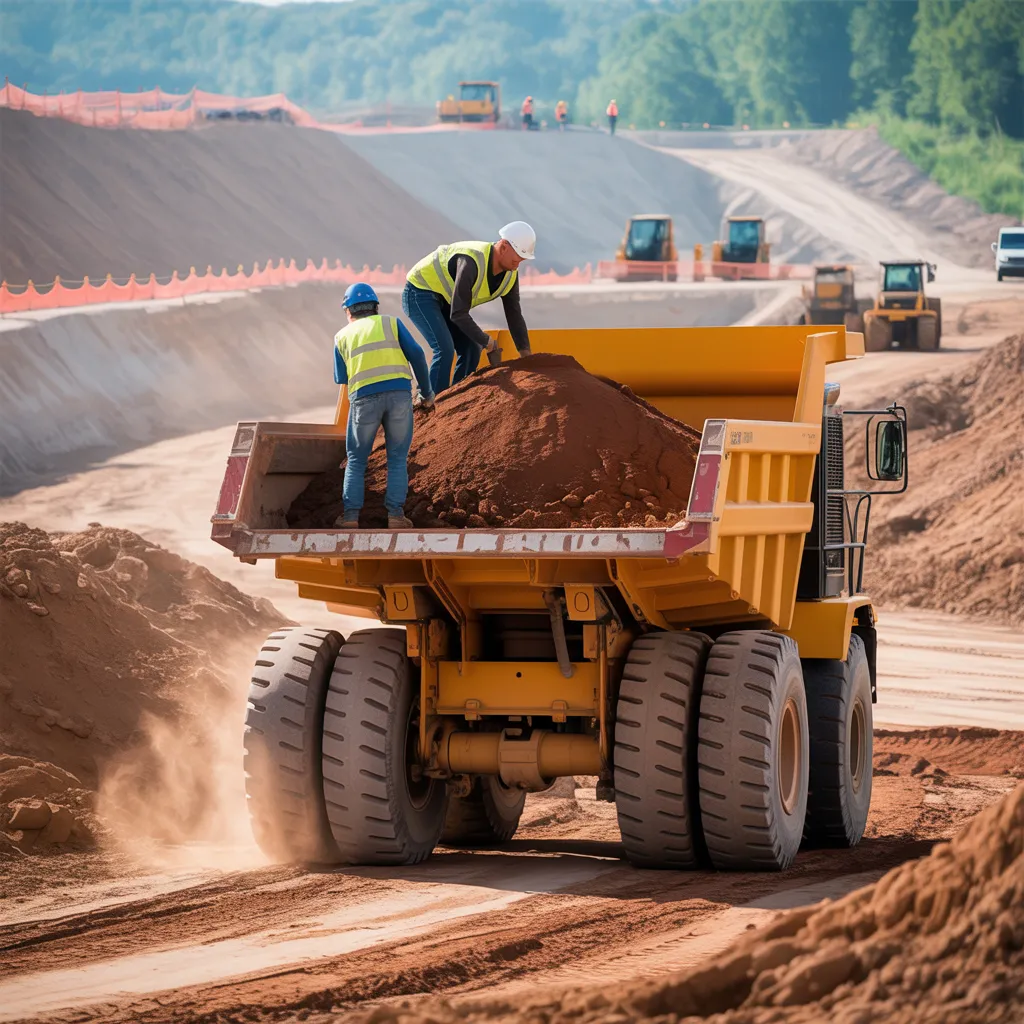
An excavation contractor constitutes a vital component in the construction process, serving as the groundwork for any building project. They are in charge of preparing the site, which involves removing obstacles from the land, leveling the ground, and digging trenches for utilities and foundations. This contractor must possess comprehensive knowledge of ground composition, drainage conditions, and local requirements to ensure compliance and safety. Their expertise includes evaluating risks and putting preventive measures in place to minimize potential dangers during excavation. Additionally, they work alongside other construction professionals, ensuring that the excavation integrates smoothly with the overall project timeline. The excavation contractor also manages heavy machinery and work teams, enhancing productivity while adhering to budget constraints. By creating the foundation for following building stages, they play an essential role in determining the project's success, rendering their efforts indispensable to the entire construction process.
Primary Solutions Extended by Excavation Contractors
Excavation contractors provide a wide variety of essential services that are critical for the proper completion of construction projects. These offerings typically include site readiness, where contractors remove the land of debris, vegetation, and existing structures to create a suitable foundation. Grading is another significant offering, ensuring the land is leveled to enable proper drainage and support for the structure.
Additionally, digging professionals are responsible for digging trenches for utilities, such as water, gas, and electricity, which are essential for building infrastructure. They also perform foundation excavation, extracting earth and stone to create a stable base for new structures. Contractors may offer specialized services like demolition, where they securely take apart existing buildings, and soil stabilization to improve ground conditions. These essential offerings collectively guarantee the groundwork is properly handled, laying the foundation for a productive building endeavor.
Importance of Safety in Excavation Work
Construction jobs inherently carry various threats, mainly in excavation work that features heavy machinery and deep digging. Safety is crucial in this area to protect workers, neighboring residents, and the project's integrity. Excavation sites present numerous hazards like cave-ins, equipment accidents, and exposure to underground utilities. Therefore, applying strict safety protocols is vital.
Excavation contractors must focus on training and compliance with safety regulations, ensuring that all personnel are equipped with the necessary skills and knowledge to recognize and reduce risks. Regular safety audits and equipment inspections further enhance site safety. Additionally, utilizing proper signage and barriers can help prevent unauthorized access and accidents. Ultimately, a strong safety culture not only safeguards lives but also promotes project efficiency and reduces costs associated with accidents and delays. A commitment to safety reflects a contractor's professionalism and dedication to delivering successful outcomes in excavation work.
Contemporary Equipment in Excavation Procedures
As tech continues to progress, the excavation industry is experiencing significant changes that enhance efficiency and accuracy in operations. Modern equipment equipped with GPS and laser-guided systems allows for accurate grading and depth control, reducing the risk of human error. Drones are increasingly utilized for site surveys, providing real-time data and aerial imagery that streamline project planning and monitoring. Additionally, 3D modeling software enables contractors to visualize project layouts, optimizing the excavation process and minimizing waste.
Automation is also making waves, with automated digging equipment and advanced telematics systems enhancing equipment efficiency and upkeep planning. These innovations not only expedite workflows but also improve protection by tracking location status and machinery operation. By integrating such contemporary equipment, excavation contractors can deliver projects more efficiently, guaranteeing timely completion while maintaining high standards of quality and safety. This evolution in technology marks a significant change in how excavation work is performed today.
Selecting the Right Excavation Professional
How can one guarantee the selection of a capable excavation contractor? The process starts with thorough examination. Prospective clients should ask for recommendations from industry professionals and review online comments. Reviewing a contractor's experience in similar projects is paramount, as it indicates their capability to handle distinct location issues.
Next, confirming insurance and license documentation guarantees adherence with local regulations and protects against legal risks. A qualified contractor should also furnish a detailed portfolio of past work, showcasing their expertise and quality standards.
Moreover, it is necessary to assess the contractor's resources and systems, as current equipment can greatly enhance efficiency and safety.
Finally, transparent dialogue is essential; a contractor should be willing to discuss project timelines, potential issues, and strategies. By following these steps, clients can confidently choose an excavation contractor who aligns with their project requirements and goals.
Price Considerations in Excavation Projects
Knowing the cost factors in excavation services is important for effective project budgeting. Key elements include the size of the project, which has a direct impact on the volume of material to be moved, as well as site accessibility, which may affect equipment requirements and labor efficiency. In addition, equipment and labor costs show considerable variation based on the specific demands of the excavation task at hand.
Project Magnitude Influence
The extent of a construction project significantly affects the costs of excavation services, as larger sites often demand more extensive planning and means. Excavation volume rises with project scale, leading to higher labor, equipment, and material costs. Besides, larger projects may demand more innovative technology and specialized machinery, thereby increasing expenses. The terrain complexity also has a key role; bigger areas may contain varied geological conditions that need tailored excavation methods. Furthermore, extensive projects usually involve longer timelines, which causes increased supporting information overhead costs. All these elements combined stress the importance of accurately determining project size to efficiently budget for excavation services, ensuring that contractors can execute the required work efficiently and within financial limits.
Site Usability Factors
Site accessibility considerably affects the expense of excavation services, as it dictates the ease with which machinery and materials can reach the construction area. If a site is hard to reach due to narrow pathways, steep inclines, or city traffic, additional steps may be required. These may consist of specialized vehicles, thorough planning, or even road modifications, all of which can inflate overall costs. Moreover, restricted access can extend work schedules, contributing to higher workforce and equipment leasing costs. Conversely, a site with straightforward entry can enable smooth operations, lowering expenses. Ultimately, understanding site approachability is essential for precise financial planning and preparation, as it serves as a pivotal part in determining the overall viability and cost of excavation projects.
Equipment and Workforce Expenses
While digging projects require meticulous planning and execution, tool and workforce expenses emerge as key factors that can significantly influence overall expenses. The type of machinery utilized, such as excavators, bulldozers, and backhoes, substantially affects pricing. Equipment rental or purchase costs, along with maintenance and fuel expenses, can accumulate quickly. Additionally, the expertise and number of laborers required for the project play a pivotal role in determining labor costs. Skilled operators command higher wages, reflecting their specialized training. Furthermore, project duration can extend costs, as longer timelines often necessitate additional labor hours and equipment rental days. As a result, a thorough understanding of these cost factors is essential for accurately budgeting excavation services in construction projects.
Case Studies: Successful Excavation Projects
Various excavation projects have demonstrated the essential contribution of experienced construction specialists in ensuring favorable construction outcomes. One notable scenario involved a commercial office complex in an city district, where construction crews faced challenging ground challenges. Through inventive methods, such as terrain stabilization and proper drainage systems, the project was completed on time, curtailing disruption to surrounding businesses.
A further example is a residential development where the contractor's knowledge in site grading facilitated effective drainage solutions. This not only boosted the property's worth but also assured compliance with local rules.
Furthermore, a major undertaking project emphasized the necessity of coordination between excavation groups and utility firms. By deploying innovative systems for below-ground surveying, the operators mitigated expensive holdups and guaranteed the safety of existing utilities.
These illustrations reveal that proficient excavation specialists are necessary for addressing difficulties, in turn providing substantial support to the overall success of construction initiatives.
Popular Inquired Questions
What Certifications Should I Prioritize in an Excavation Contractor?
When selecting an excavation contractor, one should evaluate qualifications such as relevant licenses, insurance protection, experience in similar projects, safety certifications, caliber of equipment, and strong references to ensure trustworthiness and competence in their work.
How much time does an digging operation usually take?
An excavation project typically requires anywhere from a few days to several weeks, reliant on factors like project size, site conditions, and complexity. Each project is distinctive, determining the overall timeline markedly.
Which Types of Machinery Do Excavation Contractors Use?
Excavation contractors commonly utilize bulldozers, backhoes, excavators, and dump trucks. These machines assist with various tasks, including digging, grading, and transporting materials, ensuring timely project delivery while adhering to safety standards and environmental regulations.
Excavation Tasks in Winter: Can It Be Performed?
Excavation work is able to be performed in winter, but it poses challenges such as frozen ground and adverse weather conditions. Contractors often employ custom-designed machinery and strategies to control these difficulties and maintain performance during winter timeframes.
What Licenses Do You Require for Excavation Undertakings?
Excavation activities often require permits such as land disturbance permits, excavation permits, and possibly environmental permits. Local regulations vary; accordingly, it's important for construction firms to consult local agencies to confirm observance with all necessary requirements.